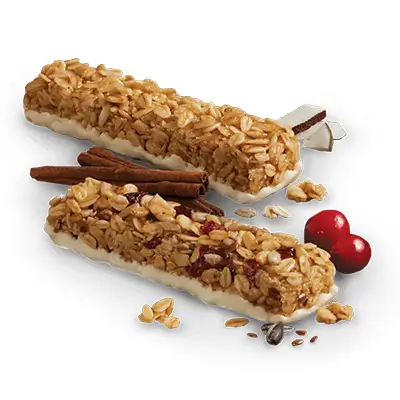
The worldwide demand for easy-to-eat healthy snacks has grown so much that breakfast bars now serve as essential products that retail stores, supermarkets, cafés, and health-oriented companies need to stock. The increasing level of competition forces companies to conduct thorough assessments of their procurement methods because those methods determine their ability to maintain profitability while expanding operations. Selecting the right Breakfast bars suppliers determines product quality, pricing, delivery consistency, and brand image. The two options of working with national manufacturers who supply mass production capacities and regional suppliers who offer custom production solutions both provide distinct benefits to businesses. The different Breakfast bar supplier options enable companies to choose suppliers who match their business needs and market strategies according to their specific operational requirements.
Who Are National Breakfast Bars Suppliers?
National Breakfast bars suppliers are large-scale manufacturers who operate their businesses across multiple states and international markets. Their operations include state-of-the-art manufacturing plants, fully automated packaging systems, and established distribution networks. These suppliers provide products to supermarket chains, e-commerce companies, and international markets.
- The company operates its manufacturing facilities with standardized formulas to achieve maximum production capacity.
- The brand has established business relationships with various companies while it distributes its products throughout the entire country.
- The company requires its clients to purchase large quantities as its minimum order requirement.
- The company has developed a powerful system that enables it to acquire large quantities of products.
- The company maintains its product stock at all locations to ensure customers can access products throughout different regions.
Who Are Regional Breakfast Bars Suppliers?
Regional Breakfast bars suppliers operate within specific geographic areas and focus on localized markets. The companies serve as mid-sized or small manufacturers who produce specialized products through their niche manufacturing processes.
- The system supports batch production, which allows for flexible manufacturing operations.
- The minimum order quantity requirement permits startups to purchase products at their preferred volume.
- The company maintains excellent business connections with local retail partners.
- The company develops products that contain special ingredients and health-focused components.
- The company delivers its products at a quicker pace to match the specific taste preferences of different regions.
Product Variety and Customization Capabilities
Suppliers of breakfast bars must choose their suppliers based on the various products that suppliers offer. National suppliers provide multiple stock-keeping units, but regional suppliers deliver specialized product solutions.
- National suppliers provide protein bars, granola bars, vegan products, gluten-free items, and meal-replacement bars.
- Regional suppliers provide their customers with the ability to mix different recipes while creating new taste experiences.
- The customer can choose their own ingredients through
- The customer can create their own private-label products through
- Smaller suppliers enable companies to develop new products at a quicker pace.
Pricing Structures and Cost Efficiency
The efficiency of costs in operations depends on two factors, which are the size of operations and the effectiveness of their supply chain management. The Breakfast bars market has multiple suppliers who use different systems to determine their pricing for products.
- National suppliers provide lower unit costs because of economies of scale.
- High-volume orders receive bulk discounts,s which lead to reduced costs.
- Smaller batch orders from regional suppliers will receive more affordable pricing options.
- The expenses for warehousing and planning operations decrease when companies use local suppliers for their sourcing needs.
- The regional manufacturers allow flexible pricing negotiations to take place.
Quality Control and Certifications
Breakfast bar suppliers who want to establish trustworthiness must fulfill two essential requirements, which involve food safety standards and compliance with regulatory requirements, because these standards guarantee product consistency.
- The organization needs to establish compliance with FSSAI, ISO, HACCP, and BRC certifications.
- National suppliers and their testing laboratories maintain advanced quality testing facilities,s which they share.
- The company uses transparent ingredient sourcing methods.
- The organization conducts testing to determine product shelf life while simultaneously testing the strength of its packaging materials.
- The smaller suppliers provide direct supervision for maintaining product quality control.
Supply Chain Strength and Distribution Network
The delivery of products is executed on schedule because the organization possesses a reliable logistics system. Established Breakfast bars suppliers typically maintain structured distribution systems.
- The country operates its distribution networks through both warehousing facilities and transportation links.
- The company uses inventory management systems that operate with high efficiency.
- The system decreases time requirements for major retail establishments.
- Local distributors provide faster delivery services through their regional operational network.
- The system enables organizations to handle critical order requests with improved speed.
Customer Support and Relationship Management
The business connections between national suppliers and regional Breakfast bars suppliers show distinct differences.
- National suppliers offer dedicated account managers who handle customer relationships.
- The established communication systems work through predetermined paths of information exchange.
- Regional suppliers provide their clients with customized service solutions.
- The company delivers quicker solutions to its clients' specific needs.
- The organization provides its long-term customers with options to modify their ordering requirements.
Private Labeling and Branding Opportunities
Retailers who work with Breakfast bars suppliers use private labeling as their main strategy for business growth.
- National suppliers handle high-volume private label production.
- Standardized packaging and branding templates
- Creative packaging design exists through regional suppliers who provide their customers with multiple design options.
- The system permits brands to enter the market with their custom ingredient branding, which includes organic, d-ket, and plant-based products.
Viability and Righteous Sourcing
Viability has become a major decision-making factor when evaluating Breakfast bars suppliers, especially as consumers increasingly prefer environmentally responsible and ethically produced food products. Businesses must examine supplier practices for their handling of material acquisition, product creation, and container development to protect their brand reputation over time.
- The company uses certified organic oats and nuts and natural sweeteners as its ingredients, which meet its standards for responsible sourcing.
- The organization establishes partnerships with local farmers to advance regional agriculture while decreasing its carbon emissions.
- The business obtained fair trade certification for its cocoa, dried fruits, and all other imported items.
- The company implemented manufacturing processes that meet environmental sustainability standards.
- The company achieves its food waste reduction goals through its effective production management system.
Risk Factors and Business Considerations
Relying excessively on one supplier, which could significantly exposetheo supply chainto disruptions
- Variations in the prices of raw materials that influence total procurement costs
- Excessively high minimum order quantities (MOQs) cause an overstocking risk.
- Uneven product quality results in lower customer satisfaction and lessened brand trust
- Production or logistics delays arising from infrastructure limitations
- Issues with regulatory compliance, including food safety and labeling standards
- The capability of smaller suppliers is hardly meeting the demand during rapid business growth.
- Less flexibility due to contractual rigidity with large national suppliers
- The risk of currency exchange for businesses that procure from abroad
When to Choose a National Breakfast Bar Supplier
The National Breakfast Bar suppliers prove beneficial for businesses needing both large-scale operations and dependable product delivery.
- Supermarket chains
- Export-focused distributors
- High-volume procurement needs
- Standardized product requirements
- Multi-location retail operations
When to Choose a Regional Breakfast Bars Supplier
The breakfast bar suppliers in the region provide businesses with essential qualities of flexible service and customized product options.
- The two groups include
- The company has performed market tests through two separate testing phases.
- The company conducts flavor tests to create unique product flavors.
- The company provides investment options that require minimal funding for entry into its business.
Conclusion
The process of choosing suitable Breakfast bars suppliers requires businesses to consider their operational scale and financial limitations, and their plans for future development. The national Breakfast bars suppliers deliver three advantages through their consistent product quality, their ability to produce large quantities, and their pricing structure, which benefits bulk buyers. The national Breakfast bars suppliers deliver three advantages through their consistent product quality, their ability to produce large quantities, and their pricing structure, which benefits bulk buyers. The process of selecting Breakfast bars suppliers requires businesses to assess three factors,s which include quality standards, supply chain strength, and branding opportunities.
FAQs
What are the main differences between national and regional breakfast bar suppliers?
The two breakfast bar supplier types differ from each other in their scale operations and pricing methods, and their ability to customize products and deliver products to customers.
2. Are regional breakfastbar suppliers more flexible than national suppliers?
Regional breakfast bars suppliers provide their customers with more flexible solutions through their ability to create custom products and their ability to handle different minimum order quantities.
3. How do pricing models differ among breakfast bar suppliers?
The two pricing models operate through economies of scale, which apply to large production runs,s and small-batch production, which uses different cost structures.
4. Which type of supplier is better for private labeling?
The two variants present their own advantages and disadvantages.
5. How can businesses evaluate the reliability of breakfast bar suppliers?
The evaluation process requires assessment of suppliers through their certification status, their operational history, their delivery capabilities,s and their customer testimonials.
